


LiFePO4 OZ
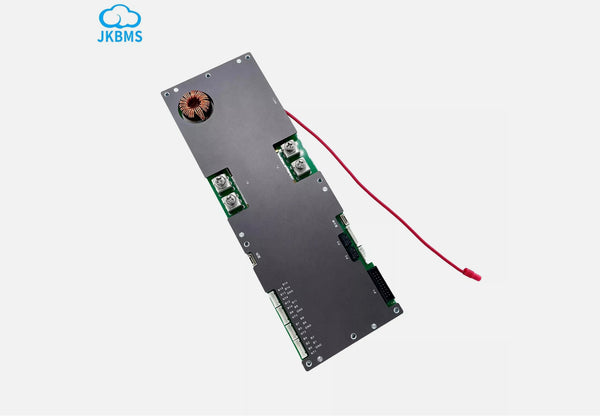
JK BMS 4S to 8S 200A (350A Peak) Smart LiFePO4 BMS with 2A Active Balancer - JK B2A8S20P
Kit price
AUD $289.00
AUD $369.00
 Skip to content
Battery management systems for LiFePO4 batteries, designed to support voltage balancing, monitoring, temperature control, and safer performance across solar, caravan, RV, and off-grid setups.



LiFePO4 OZ provides a specialised range of Battery Management Systems designed for lithium batteries used in Australian homes, caravans, 4WD vehicles, marine setups, and off-grid energy storage. Every BMS is built to monitor, protect, and stabilise your battery under high temperatures, fluctuating loads, and demanding outdoor conditions. Our systems work with LiFePO4, lithium ion, AGM, and similar chemistries and support 12V, 24V, and 48V configurations. Whether you are upgrading an existing battery bank or building a new energy system, our BMS range ensures consistent safety, balanced cells, and reliable long-term performance.
Smart protection and performance for your LiFePO4 batteries.
A Battery Management System (BMS) is the heart of every lithium battery setup it protects, monitors, and balances your cells so your battery lasts longer and performs reliably in all conditions.
A Battery Management System monitors and controls the behaviour of each cell group inside a lithium battery. It determines how much power the battery can deliver, how fast it can charge, how much heat it can tolerate, how far it can safely discharge, and how well-balanced the internal cells remain over time.
A battery management system for lithium ion batteries prevents overheating, swelling, imbalance, voltage spikes, and sudden current collapse. Without a high-quality lithium ion BMS, performance drops quickly, especially under Australian heat, heavy appliance loads, long inverter surges, or fast-charging conditions.
This is why choosing the right system matters for both LiFePO4 and bms for li ion battery setups.
A good BMS does more than simply “protect the battery” it ensures every cell in the pack charges evenly and operates within safe limits. Without the right lithium-ion BMS, battery cells can degrade early or fail due to:
Overcharging or excessive discharge
Unbalanced voltage across cells
Overheating during heavy load
High current surges
A well-designed lithium battery BMS helps maintain consistent performance for demanding Australian conditions such as heat, dust, long off-grid cycles, and large inverter loads.
12V BMS for caravans, campers, and dual battery systems
Designed for fridges, lights, pumps, portable solar, and small inverters.
24V BMS for medium off-grid systems and van conversions
Suitable for 2000 to 3000 watt inverters, home energy storage, and larger solar configurations.
48V BMS for big solar banks and home energy systems
Used for whole-home storage, large off-grid cabins, EV conversions, and commercial energy setups.
BMS for lithium ion battery packs
Supports high-current battery banks used in mobility systems, custom DIY builds, and industrial power storage.
If your system includes heavy appliances such as air-conditioners, microwaves, induction cooktops, welders, or large pumps, you need a high-current lithium battery BMS capable of handling 150 to 300 amps or more.
Your choice depends on the size and purpose of your energy system.
• Small setups typically use 12V BMS units for caravans, camping, and simple battery backup
• Medium off-grid and van systems require 24V BMS units for higher efficiency and longer cable runs
• Large home systems and commercial applications need 48V BMS units for maximum power stability
• Custom lithium ion battery packs require specialised cells and high-current BMS protection
Modern lithium BMS units offer advanced features that extend battery life and improve reliability, including:
• Bluetooth and app-based monitoring for voltage, temperature, cell balance, and current flow
• Active balancing technology for consistent performance across all cells
• Overcharge and low-voltage cutoffs to prevent stress and premature battery wear
• Thermal protection to avoid overheating during charge or discharge
• Cell configuration support for 8S, 12S, 16S, and custom lithium battery packs
• High compatibility with LiFePO4 and
lithium ion battery systems used across Australia
These features ensure your battery bank remains stable under heavy load, environmental stress, and long-term cycling.
LiFePO4 OZ products are selected to handle Australian conditions and deliver dependable, long-lasting energy performance. We focus on systems known for durability, stable power output, and consistent safety monitoring. Our BMS units offer compatibility with LiFePO4 and lithium ion chemistries, fast shipping across Australia, and reliable post-purchase guidance. Whether you are building a DIY system or upgrading a large off-grid installation, our BMS range provides trustworthy power control and peace of mind.

PH :1300 375 257

For Sales: Sales@LifePO4oz.com
For Support: Support@LiFePO4oz.com

5/15 Warehouse Cct, Yatala, QLD, 4207, AU
We have an exclusive offer just for you! Let us guide you to the best energy solution at the best price. Drop your details, and we'll give you a quick call!
Please complete all fields with a valid email and phone.
We've received your details. One of our energy experts will give you a quick call shortly.